
Community Health Worker
What is it?
A Community Health Worker is the “bridge” between the formal healthcare system and the community. They aren’t usually doctors or nurses; instead, they are trusted members of the community they serve. Because they share the same language, culture, and life experiences as their neighbors, they can reach people in ways a hospital setting often can’t.
A CHW’s primary mission is to reduce health disparities and ensure that everyone—regardless of their background or income—can access care. They function as:
- Advocates: Speaking up for patients who feel unheard.
- Educators: Breaking down complex medical advice into relatable terms.
- Navigators: Helping people find their way through the “maze” of insurance and social services.
Responsibilities of a Community Health Worker
Their daily tasks are highly varied and depend on whether they work in a clinic, a non-profit, or out in the field. Here is what typical responsibilities might look like:
- Home Visits and Check-ins
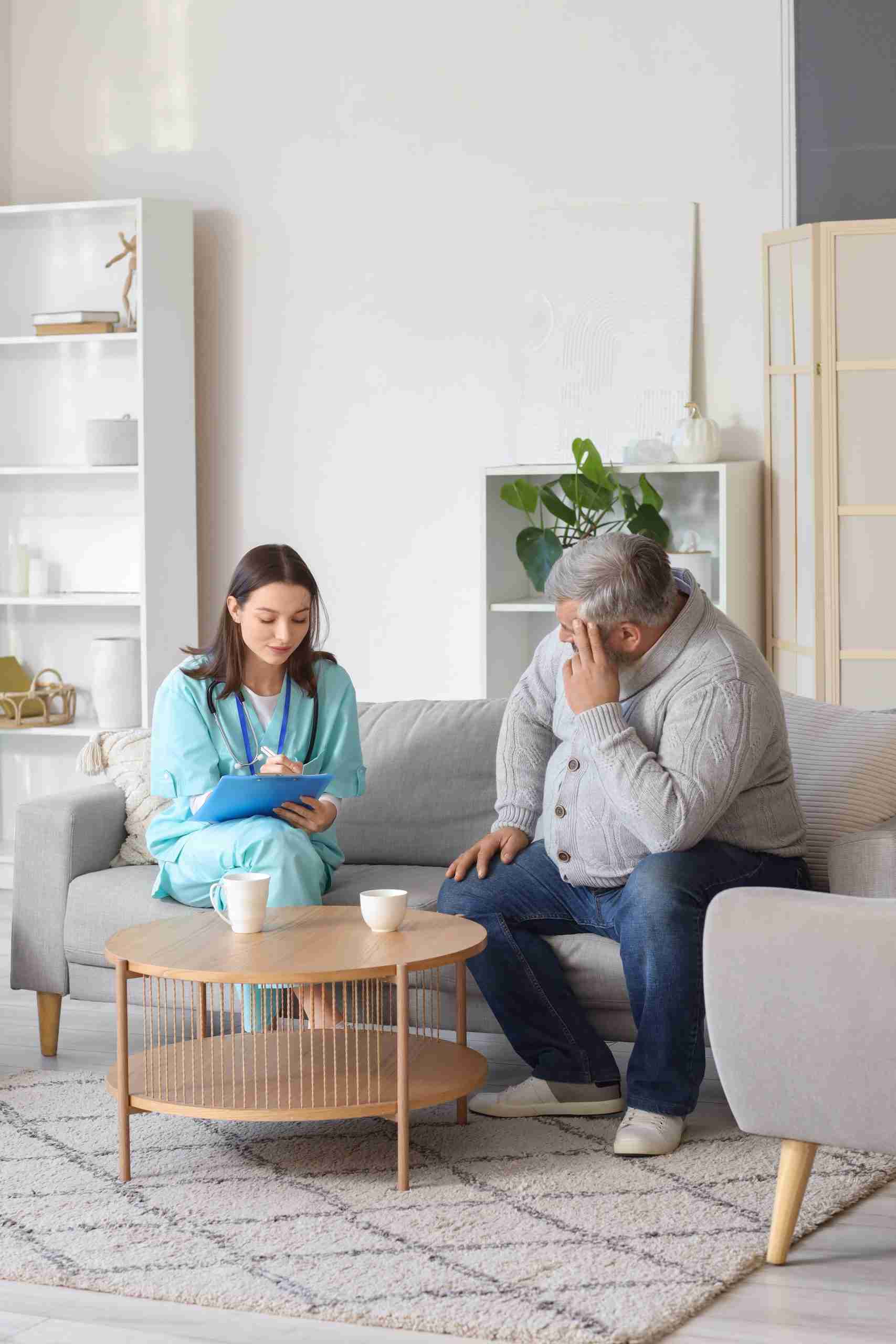
CHWs often go where the patients are. This might involve visiting a new mother to ensure she has a safe crib or checking in on an elderly patient to make sure they are taking their blood pressure medication correctly.
- Resource Coordination
They spend a significant amount of time connecting people to “Social Determinants of Health.” This includes:
- Signing families up for food stamps (SNAP) or WIC.
- Helping a patient find reliable transportation to a dialysis appointment.
- Locating affordable housing or legal aid for those facing eviction.
- Health Education
They lead small groups or one-on-one sessions on topics like:
- How to manage Type 2 Diabetes through local grocery shopping.
- The importance of vaccinations.
- Stress management and mental health awareness.
- Data Collection and Reporting
To prove their programs are working, CHWs track patient progress. They document things like improved glucose levels or successful referrals to specialists, which helps the healthcare system understand what the community actually needs.
- Outreach and Screening
You’ll often find them at health fairs, churches, or community centers. They might perform basic screenings (like checking blood pressure or BMI) and identify individuals who haven’t seen a doctor in years.

Length of Training
1-2 Weeks
Type of Training
Hybrid
* Salary Range
$29,500 - $48,400
(entry level – experienced)
* Regional Jobs Available
190
(3 year forecast)
Is it Right For You?
Skills and qualities for a Community Health Worker
- Active Listening: It’s not just about hearing words; it’s about hearing what isn’t being said. A patient might say they “forgot” their meds, but an active listener hears that they actually can’t afford the co-pay this month.
- Motivational Interviewing: This is a clinical communication style that helps people find their own internal motivation to change. Instead of telling someone “Stop smoking,” a CHW asks, “How would your life be different if you had more breath to play with your grandkids?”
- Resource Navigation: You need to be a “human Google” for your local area. This includes knowing:
- Which food pantries have the best fresh produce.
- Which clinics offer sliding-scale fees.
- How to navigate the specific bureaucracy of local housing authorities.
- Simple Health Interpretation: You act as a translator for “Doctor Speak.” You must be able to take a complex diagnosis and explain it in plain, non-intimidating language that makes sense to the patient.
- Advocacy: You have to be “professionally pushy.” This means knowing how to stand up for a patient’s rights when they are being dismissed by a provider or ignored by an insurance company.
- Cultural Humility: This goes beyond just knowing a language. It’s the ability to respect and work within a patient’s cultural beliefs without judgment.
- Empathy & Relatability: You don’t just feel for the person; you understand their struggle because you’ve likely lived in the same neighborhood or shared similar life experiences.
- Trustworthiness: You are handling sensitive medical and personal information. If the community doesn’t trust your discretion, the “bridge” collapses.
- Patience and Resilience: Healthcare systems move slowly and social barriers are high. A good CHW doesn’t get discouraged when a patient misses an appointment or a paperwork trail hits a dead end.
To be an effective Community Health Worker (CHW), having a big heart is a great start, but the role actually requires a very specific blend of “soft” emotional intelligence and “hard” navigational skills. Since you are often the only person a patient trusts, your personality is essentially your primary tool.
