A Growing Economy, A Workforce Crisis
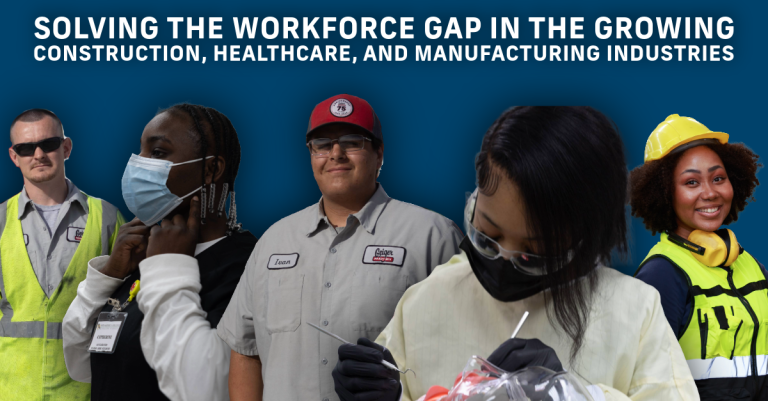
Kansas City’s economy keeps picking up speed, but here’s the catch: employers just can’t find enough skilled workers to fill all the open positions. Whether it’s construction or healthcare, they all say the same thing; the hunt for qualified candidates is tough, and that shortage puts real strain on daily work and future growth plans. Honestly, this goes beyond just recruitment headaches. There’s a real disconnect between the kinds of in-demand jobs out there and the people available to fill them. This challenge also creates a clear opportunity to invest in solutions that better connect people to the career opportunities already waiting for them.
Construction: Job Openings Without People
The city’s buzzing with new projects. Think housing, roads, and big infrastructure upgrades. The work’s there, but the skilled tradespeople? Not so much. Seasoned trade professionals are retiring, and not enough young folks are stepping into their shoes. The result: more delays, ballooning costs, and smaller teams forced to do too much. For many contractors, the biggest threat isn’t a lack of projects; it’s simply not having the skilled labor to get the job done. Rebuilding this workforce pipeline will take intentional investment in vocational training and career pathways for the next generation of trade workers.
Healthcare: Rising Demand, Limited Workforce Capacity
Healthcare’s in a bind, too, with even higher stakes. The population’s getting older, which means people need more care than ever before. But the pool of registered nurses, healthcare assistants, and medical technicians just isn’t growing fast enough. Burnout and turnover hit hard, so providers often have to cut back on services or lean on temporary staffing. That hurts both the quality and the cost of care. Strengthening this healthcare workforce isn’t just about staffing solutions, it’s about ensuring people across the region can access the care they need when they need it.
Manufacturing: Powering Growth Through Skilled Talent
Manufacturing remains one of Kansas City’s most important economic drivers, supporting everything from advanced production and logistics to food processing and industrial technology. Yet many manufacturers face the same challenge as construction and healthcare employers: they have open positions but struggle to find workers with the right technical skills. As experienced workers retire and technology continues to reshape production environments, employers need talent who can adapt to modern manufacturing processes, operate advanced equipment, and grow into long-term careers. Without a strong workforce pipeline, companies risk slowing expansion plans and limiting their ability to meet demand. Investing in workforce training and career-connected learning opportunities can help more Kansas City residents access family-sustaining manufacturing careers while ensuring employers have the skilled workforce needed to remain competitive.
A Region Divided by Systems
Then there’s the Kansas-Missouri split. The region basically functions as two different systems, with different rules and networks, making everything that much more complicated, especially for businesses hiring across state lines or for job seekers trying to find their place. Plenty of workers are out there, but the system doesn’t always help them connect to employers. Solving this kind of fragmentation takes coordinated effort and sustained investment in solutions that bring the region together.
Great Jobs KC: Kansas City Workforce Development That Bridges the Gap
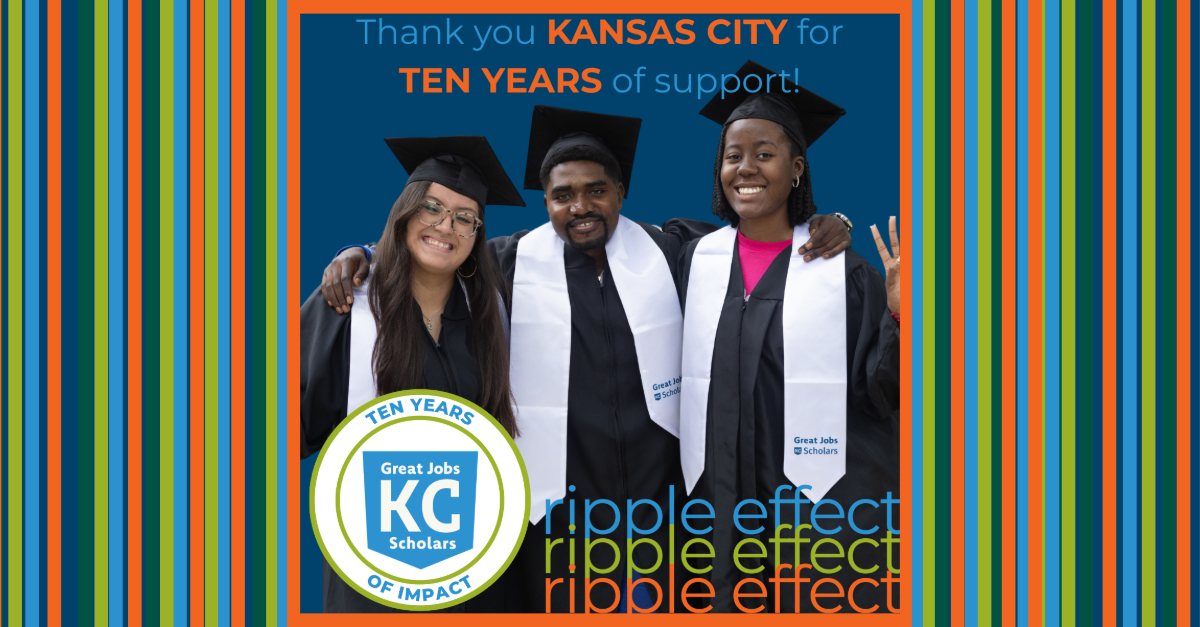
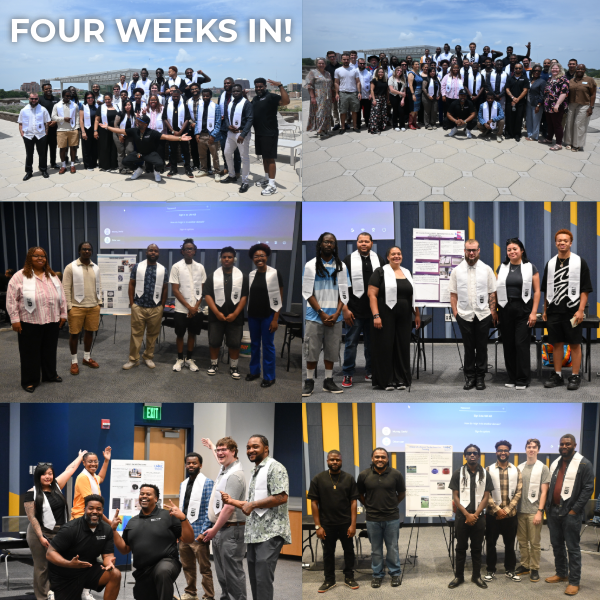
That’s where Great Jobs KC steps in. With the support of partners and donors, Great Jobs KC isn’t about leaving people on their own; we’re helping real people get real jobs, especially in construction, healthcare, manufacturing, and tech. We offer clear career pathways focusing on job skills training, breaking down barriers, and backing up job seekers with the support they need. For local businesses, that means access to a deeper, better-prepared talent pipeline. Job seekers get more than just hope; they get direction and help along the way. This work translates into more residents entering family-sustaining careers and more employers finding the skilled workforce they need to grow. What really sets Great Jobs KC apart? We partner directly with Kansas City employers to make sure that workforce training actually leads to jobs in high-demand fields, cutting down on the frustrating skills gap that so many companies feel right now. With continued investment, this approach can expand to reach even more job seekers and businesses across the region.
From Shortage to Workforce Strategy
Kansas City’s real problem isn’t a shortage of talent; it’s that the region’s not connecting people to career opportunities as well as it could. Build better links, and suddenly you have a regional workforce strategy instead of just more stories about labor shortages. Sure, the state line splits the region on a map, but it’s also Kansas City’s chance to work together, not apart, on solutions. When businesses, job training programs, and workers all pull in the same direction, the city can keep its growth going and make sure every project, hospital, manufacturing facility, or startup actually has the skilled workers to pull it off. With the right investment and collaboration, Kansas City can turn today’s workforce challenges into lasting economic opportunities for both businesses and job seekers.