
Paramedic
What is it?
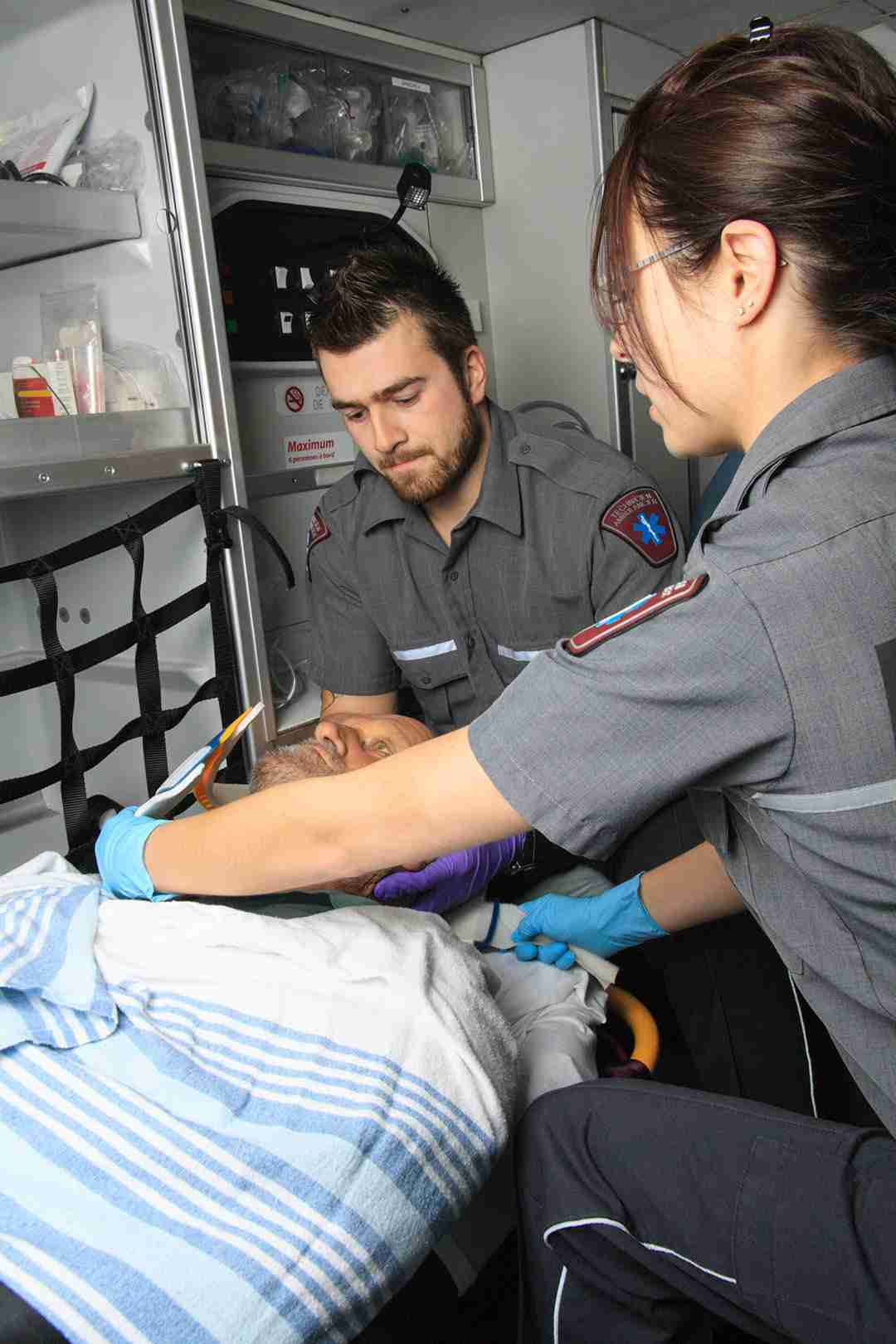
A Paramedic is the highest-level healthcare professional in the pre-hospital environment, providing advanced emergency medical care to critically ill or injured patients. While emergency medical technicians (EMTs) provide basic life support, paramedics are trained in advanced life support (ALS). They essentially bring the capabilities of an emergency room directly to the scene of an accident or medical crisis.
Paramedics typically work out of ambulances, fire departments, flight medic helicopters, or specialized rescue teams.
Day-to-Day Responsibilities
Because a paramedic’s job depends entirely on the 911 calls that come in, there is no “typical” day. Their responsibilities shift between high-stress emergency response and routine station maintenance.
Emergency Response and Critical Care
Rapid Assessment: Arriving at a scene (car crashes, heart attacks, physical trauma) and instantly evaluating the patient’s condition and the safety of the environment.
Advanced Medical Procedures: Performing invasive life-saving interventions that EMTs cannot, such as inserting breathing tubes (intubation), placing intravenous (IV) or intraosseous (into the bone) lines, and manual defibrillation.
Medication Administration: Administering a wide array of emergency drugs to treat conditions like severe pain, allergic reactions, seizures, overdose, and cardiac arrest.
ECG Interpretation: Reading complex electrocardiograms (heart rhythms) to identify heart attacks on the spot and transmitting that data directly to the hospital.
Patient Transport and Stability
Continuous Monitoring: Maintaining care and stabilizing the patient in the back of a moving ambulance or helicopter while en route to the hospital.
Radio Reporting: Communicating clearly with emergency room physicians and nurses while driving to brief them on the patient’s vitals, treatments given, and estimated arrival time.
Patient Handoff: Formally transferring care to the hospital medical team, providing a detailed verbal and written report of the incident.
Non-Emergency and Station Duties
Rig and Equipment Checks: Spending the beginning of every shift meticulously inventorying the ambulance. They must test advanced medical equipment, check expiration dates on controlled substances, and restock supplies.
Detailed Documentation: Writing comprehensive patient care reports (PCRs) for every single call. These are legal medical records detailing everything observed and performed.
Station Upkeep and Readiness: Cleaning the living quarters, maintaining the vehicles, and resting or sleeping during long 12- to 24-hour shifts while waiting for the next tone to drop.
The Essential Difference: While an EMT focuses on rapid first aid and transport, a paramedic is trained to perform complex diagnostic thinking and advanced procedures under extreme pressure. They don’t just transport patients to the hospital they bring the hospital to the patient.
Length of Training
1-2 Weeks
Type of Training
Hybrid
* Salary Range
$29,500 - $48,400
(entry level – experienced)
* Regional Jobs Available
190
(3 year forecast)
Is it Right For You?
Working in uncontrolled environments, such as highways, homes, and tight spaces, demands an intense mix of clinical expertise and street smarts.
The core skills and qualities that make someone an exceptional paramedic include:
High-Speed Decision Making under Pressure
The “Clarity in Chaos” Trait: When lights are flashing, people are screaming, and a patient’s condition is deteriorating, a great paramedic can filter out the noise. They think systematically, prioritizing interventions based on raw data and instinct.
Clinical Flexibility: No two scenes are identical. If a piece of equipment fails or a patient’s anatomy makes a standard procedure impossible, an excellent paramedic instantly adapts and finds an alternative solution.
Situational Awareness & Command Presence
Scene Leadership: Paramedics don’t just treat patients; they manage scenes. They must walk into a chaotic, emotionally charged room and quietly but firmly take control, establishing order so the team can work safely.
Hyper-Vigilance: Constantly reading the environment for changing hazards traffic, unstable structures, aggressive bystanders, or toxic substances to keep themselves, their partner, and the patient safe.
Deep Empathy & Tactical Communication
The “Calm Is Contagious” Philosophy: A paramedic meets people on what is often the worst day of their lives. The ability to look a terrified patient in the eye, project absolute confidence, and de-escalate panic with a calm tone is just as therapeutic as medication.
Clear Translation: They must be able to extract critical medical histories from confused or traumatized patients, and then seamlessly switch to precise, technical medical shorthand when handing the patient over to an emergency room physician.
Physical Stamina & Fine Motor Control
Stamina and Strength: The job requires lifting heavy stretchers, kneeling on hard surfaces for extended periods, and performing high-quality CPR for miles in the back of a swaying ambulance.
Dexterity in Motion: A paramedic has to perform highly delicate procedures like starting a pediatric IV or placing an advanced airway while riding over bumpy roads or working in low-light, cramped conditions.
Emotional Resilience & Compartmentalization
Processing Trauma: Paramedics witness severe injuries, critical illness, and loss on a regular basis. The best in the field possess healthy coping mechanisms that allow them to process these high-stress events without burning out or losing their capacity for empathy.
The Underlying Trait: Above all, great paramedics possess an unwavering intellectual curiosity. Medicine changes rapidly, and the best providers are lifelong learners who constantly review their calls, study new protocols, and look for ways to sharpen their clinical acumen.
